Ourselves
Children build vocabulary and understanding around themselves, their bodies, feelings, abilities and everyday routines.

Vocabulary · Knowledge · Science · Play
Connecting words, ideas, observation and games around topics children can understand and remember.
Book a Centre VisitConnected, meaningful learning
Thematic learning brings language, knowledge, science, stories, creativity and play together around a topic children can understand. Instead of meeting each idea in isolation, children encounter related words and concepts repeatedly in different activities.
Dloving has used thematic learning for many years. It helps our Care & Learning Team make lessons memorable while giving children several ways to ask, answer, observe, describe and participate.
A wide world to explore
Children move from familiar topics about themselves and daily life towards wider questions about their community, the natural world and beyond.
Children build vocabulary and understanding around themselves, their bodies, feelings, abilities and everyday routines.
Family themes create opportunities to talk about relationships, care, belonging and the different people in children's lives.
Children explore familiar foods, healthy choices and simple ideas about how food helps the body.
Topics expand into animals, plants, weather, places and the environment children observe around them.
Children learn about people, roles, places and experiences that help communities work together.
Wider themes invite curiosity about our planet, the sky, the universe and ideas beyond children's immediate experience.
A real Dloving example
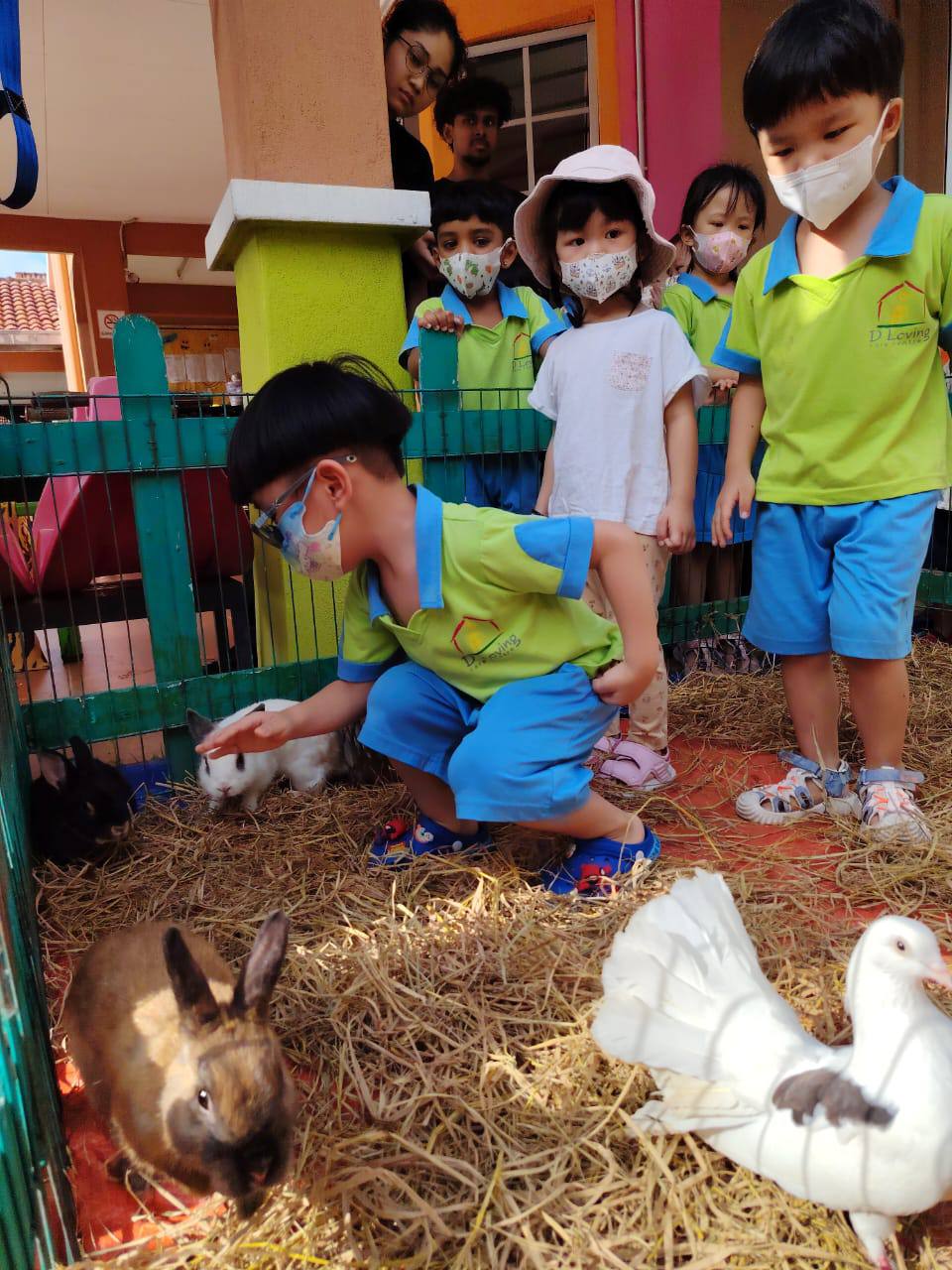
Chickens and ducklings can become the starting point for connected learning rather than a single lesson.
Children learn and use words connected with farm animals, including animal names, actions, sounds, features and the environments around them.
They learn what farm animals are and begin connecting chickens and ducklings with wider ideas about farms, food, people and daily life.
Observation and conversation introduce living things, similarities and differences, movement, basic needs and how young animals grow.
Matching, sorting, movement, guessing and group games give children enjoyable ways to recall and apply what they have learned.
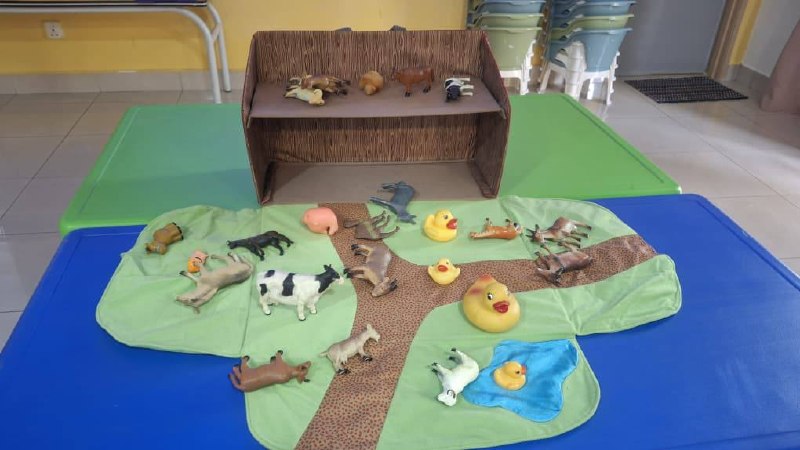
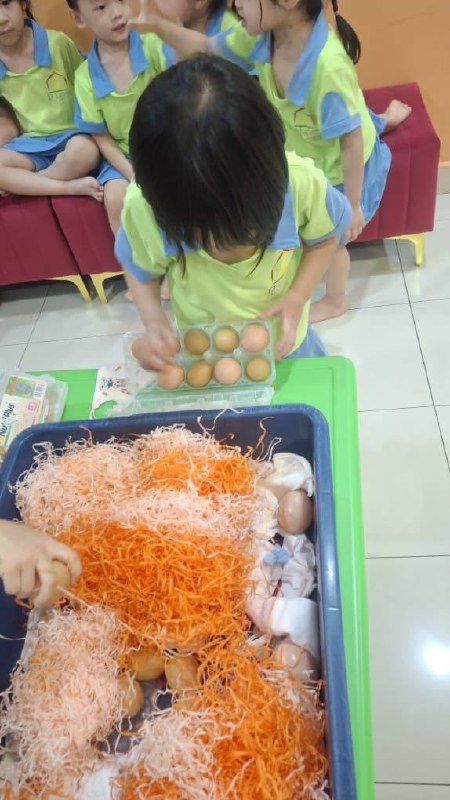
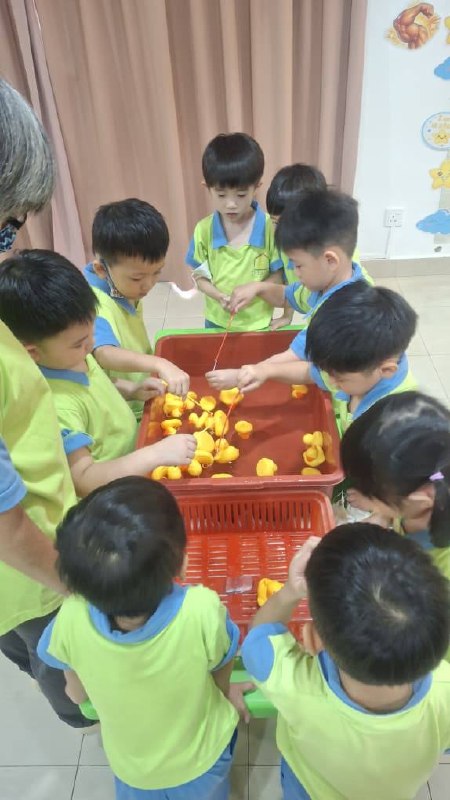
The farm-animal theme in pictures
Real activities help vocabulary, knowledge and simple science feel more concrete and memorable.
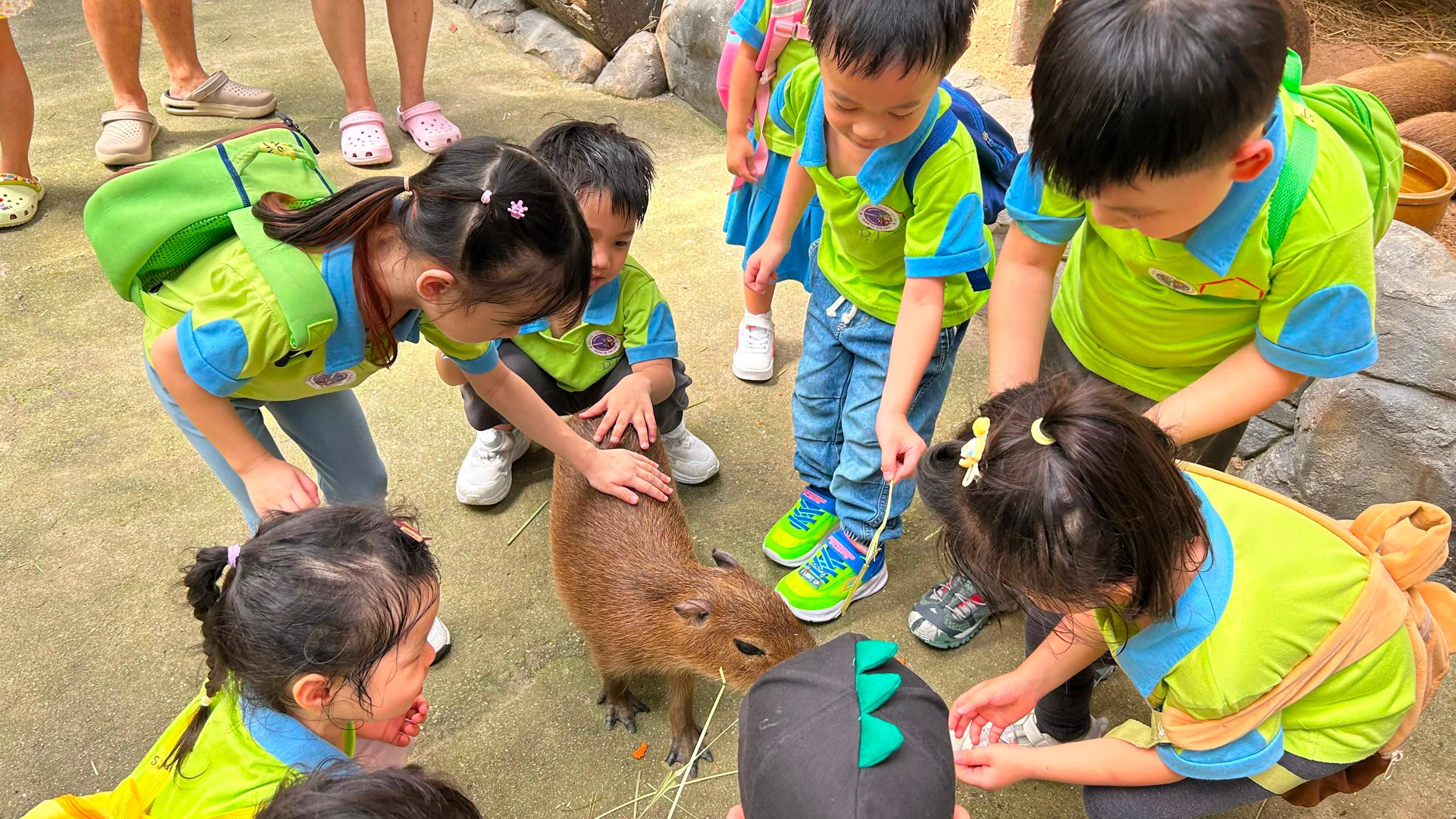
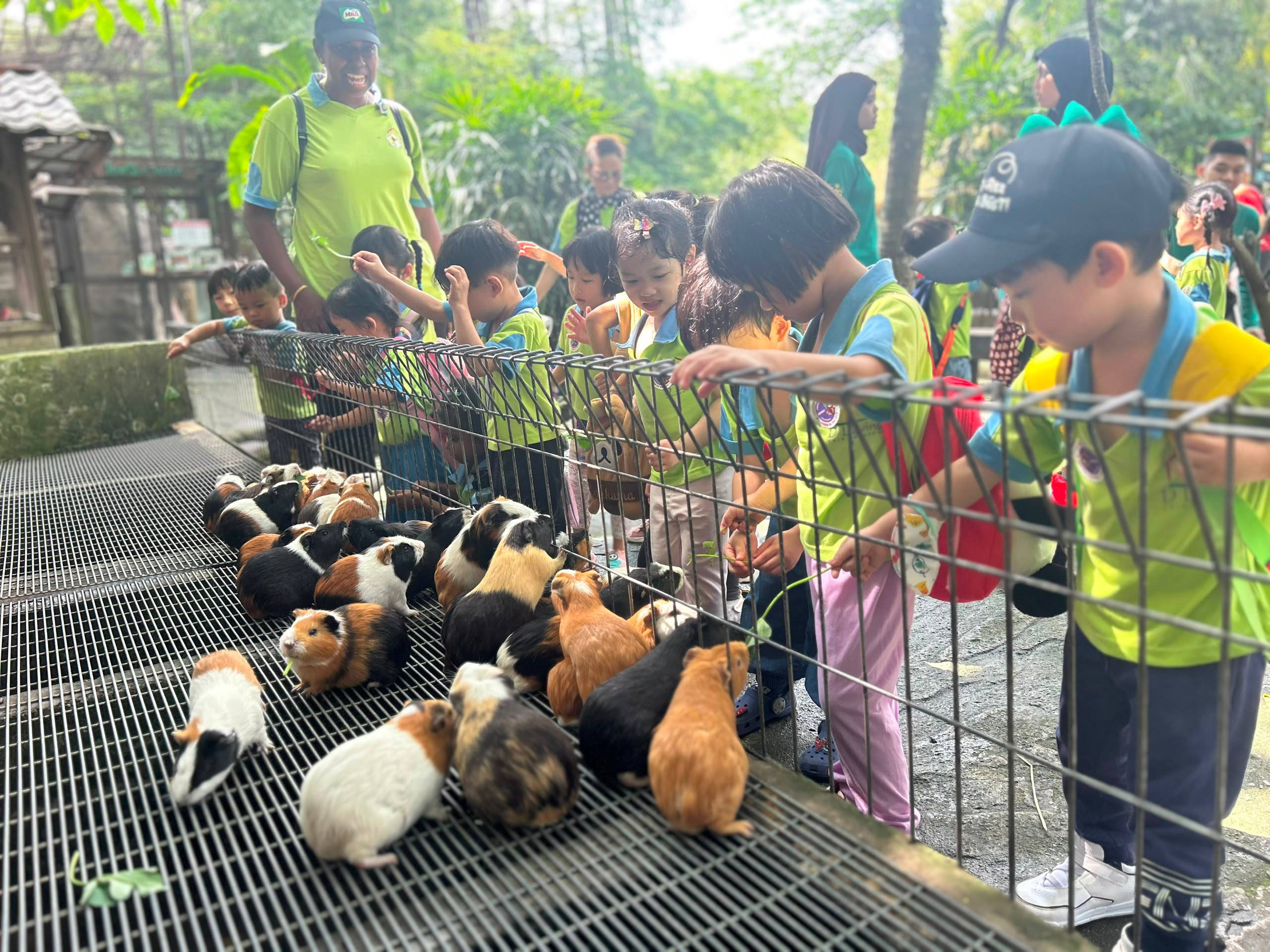
From words to experience
A theme may be explored through storybooks, pictures, conversation, language activities, simple science, art, movement and play. A related hands-on experience can help children connect classroom words with something real.
Repeating key ideas in varied ways supports vocabulary and understanding without making learning feel repetitive. Children who first listen may later point, name, compare, ask a question, join a game or explain an idea in their own words.
Why connections matter
Related ideas build on one another, helping children form a more complete picture of a topic.
Children hear and use useful words across stories, conversations, activities and games.
Each theme introduces part of the wider world and creates starting points for future learning.
A familiar topic makes it easier for children to notice, wonder, predict and ask questions.
Seeing the same concept through words, pictures, movement and experience can make it more memorable.
Different activities give children different ways to contribute, including speaking, making, moving and observing.
A long-standing approach
KP2026 gives integrated learning through themes and projects a clear place in Malaysia’s current early-learning direction. Dloving’s thematic programme was not introduced in response to that change—we have used this connected approach for many years because it helps children build language and knowledge through meaningful topics.
Dloving remains a JKM-licensed child care centre. We refer to KP2026 only to help families understand the wider educational value now placed on connected learning through themes.
Reference: Ministry of Education Malaysia implementation circular for KP2026.
Thematic learning questions
It is an approach that connects several learning areas through one meaningful topic. Children may build language, knowledge, science understanding, creativity and social participation around the same theme.
Across their years at Dloving, children explore more than 40 themes, beginning with familiar subjects such as themselves, family and food before expanding into their surroundings, society, nature, science and outer space.
One example is farm animals. Children learn about chickens, ducklings and other farm animals through vocabulary, general knowledge, simple science and games.
No. Activities can vary according to the topic, children's needs and suitable opportunities. Stories, conversation, art, movement, games and hands-on experiences may all contribute.
No. Dloving is a JKM-licensed child care centre. The reference explains how Dloving's long-standing thematic approach relates to a wider current direction in early learning.
Come and meet us
A centre visit is the best way to discuss the programme and what your child is ready to explore.